Typotheque: A year in review, and things to come
December 2023
|
@typotheque |
|
2023
Dear Reader,
What a year it was! The world is on fire, with unspeakable horrors happening in Ukraine, Gaza, Israel, Nagorno Karabakh, Yemen and elsewhere; and climate change affecting millions of people around the world.
It is sometimes hard to focus on work that seems removed from addressing immediate urgencies. We at Typotheque always aim at not just zooming in our daily work, but keeping the large perspective of the world development. This year we gave 1% of our pre-tax profits to Médecins Sans Frontières (Doctors without Borders), to assist people affected by conflict, and exclusion from healthcare. They are doing important work in extremely difficult conditions, and consider supporting them too.
|
|
|
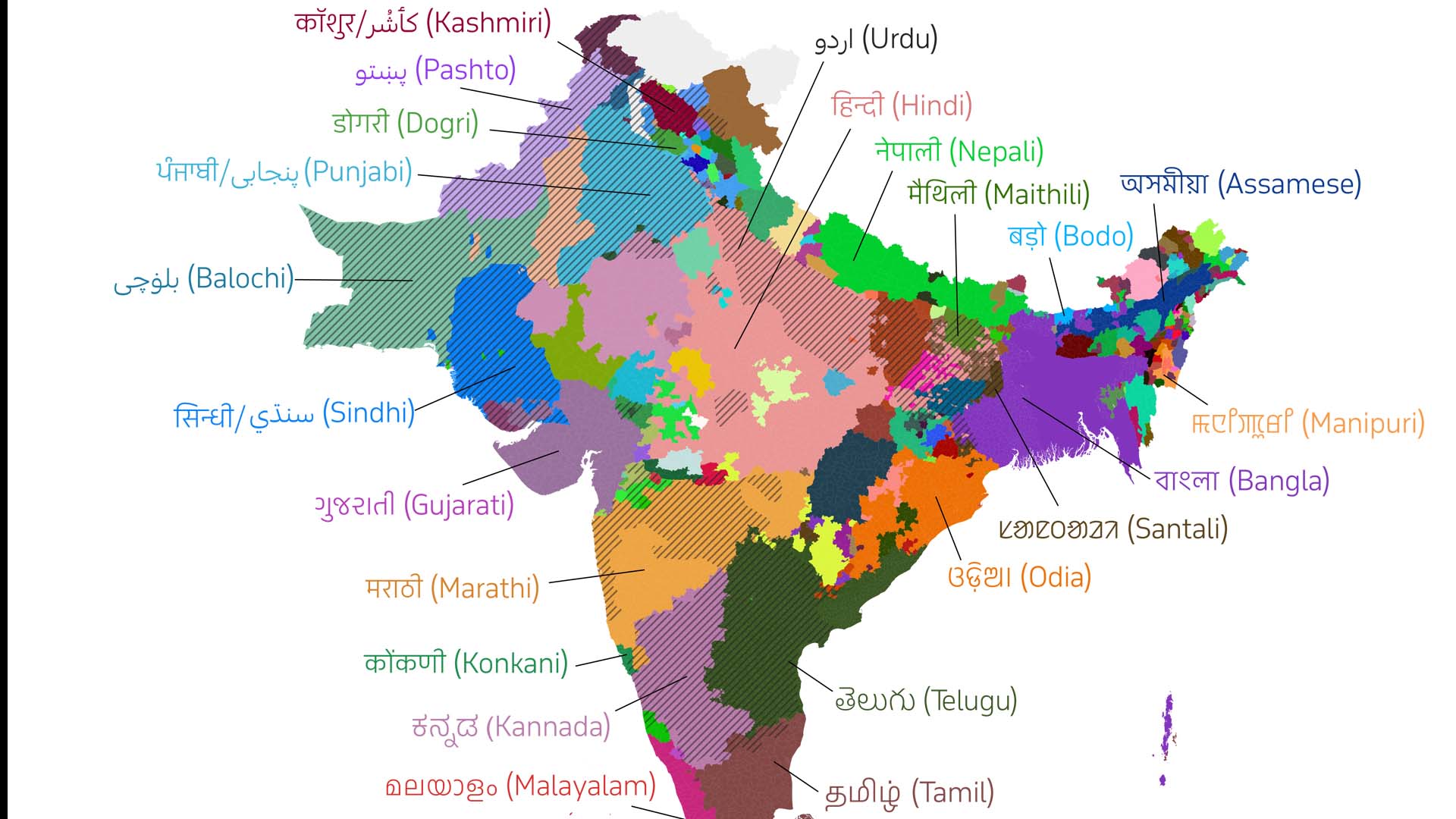
We continue doing our core work — developing fonts, for people, companies, and to make the world more equitable. This year we published a comprehensive set of fonts for South Asia, home of over 2 billion people, and one of the most linguistically diverse place on earth. This included looking at ‘tribal’ languages and writing scripts, such as Manipuri (Meetei script), or Santali (Ol Chiki script). We published an article about the socio-linguistic landscape of northeast of India and adoption of two minority writing scripts. We published also a book about Indigenous languages of North America, presenting our on-going research and collaboration with local language communities. Our proposal to encode missing characters for Wakashan and Salishan languages to Unicode was accepted, and we work on creating keyboard layouts for languages which don’t have any. We organised events in Tbilisi, Georgia, and published a book and large collection of Georgian fonts. We started Typotheque Club, to establish deeper connection between people, but also enable future research work on indigenous writing scripts. Thank to your generosity, we were able to successfully fund work on the Cherokee fonts. Thank you.
|
|
|
|
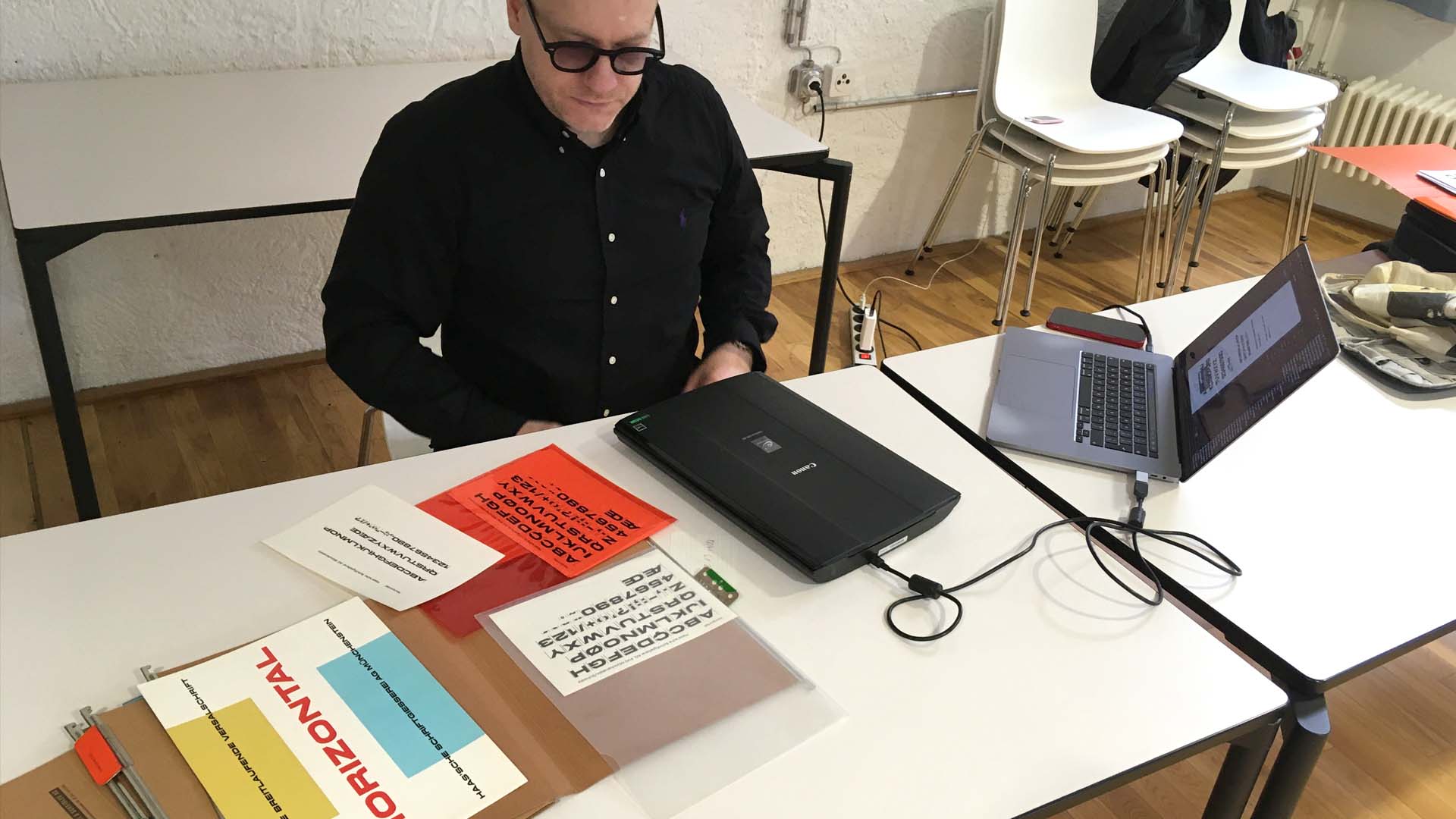
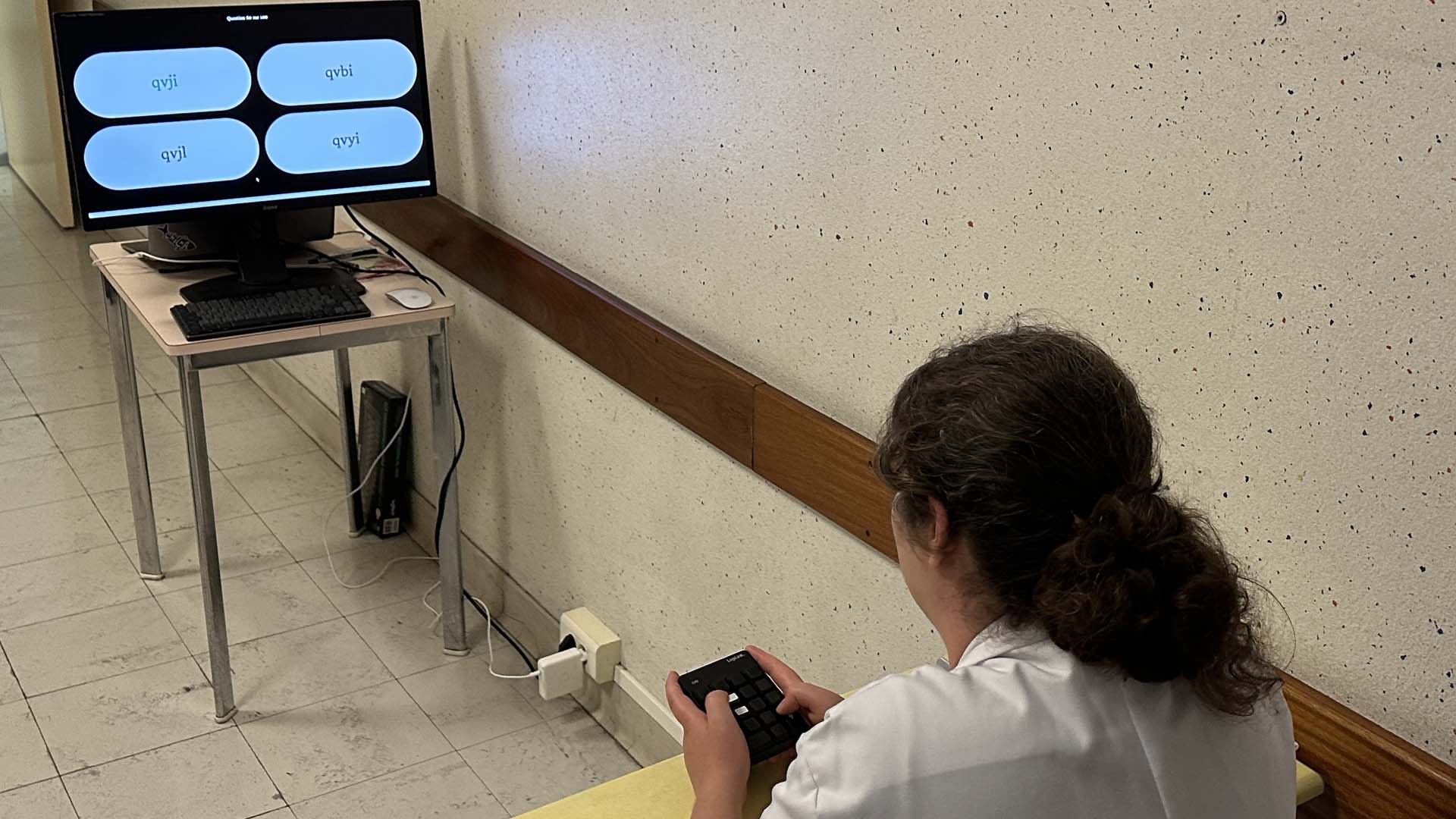
We are excited about the next year. We will publish our first CJK fonts (after yeeaaaars of development). As every year we will address a new indigenous writing script, that we haven’t worked with yet. (if you have any suggestions, send us an email!). We have a couple of fonts in development that we are currently working on, and you can preview them, if you are a member of Typotheque Club. We conduct rigorous lab studies researching legibility for visually impaired readers and how typefaces need to adjust to various impairments. We will publish both the open science research as well fonts which are results of this study. Thank you for your support, and here’s to a world where every small act of kindness contributes to a big, positive impact.
|
|
Greetings from all of us at Typotheque, Peter, Johanna, Nikola, Liang, Roberto, Kevin, Héctor, and Marlis.
|
|